
How to Evaluate a Startup's Business Model Before Investing
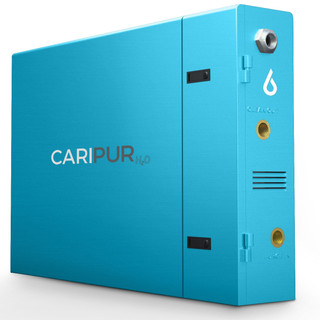
.Investing in startups can present opportunities, but it also carries significant risks. One important part of startup due diligence is understanding the company’s business model. A business model explains how a company creates value, reaches customers, generates revenue, and manages the costs required to operate.
A business model that appears clear or promising does not guarantee profitability, positive cash flow, growth, or investment success. Prospective investors should examine the underlying assumptions, review the available evidence, and verify important claims independently.
This article explains how to evaluate a startup’s business model before investing, which financial and operational questions to ask, and which warning signs may require further investigation.
What Is a Startup Business Model?
A startup business model describes how the company intends to:
Create value through its product or service
Identify and reach customers
Generate revenue
Deliver the product or service
Manage operating costs
Compete in its market
Grow without allowing costs to increase faster than revenue
A business model is a plan for how the company expects to operate. It is not proof that the company will become profitable or that investors will receive a return.
Identify the Product or Service
Begin by confirming what the company actually sells. The offering may be a physical product, a digital service, a subscription, a licensing arrangement, or a combination of several products and services.
Ask:
Is the product or service clearly described?
Does it exist beyond the concept stage?
What customer problem does it address?
Is there evidence that customers use or purchase it?
How does it differ from competing alternatives?
Are important product claims supported by evidence?
A product may be attractive or innovative without having a sustainable business model. Investors should examine how the product connects to customers, revenue, and costs.
Identify the Paying Customers
The person using a product is not always the person paying for it. A startup may sell directly to consumers, businesses, retailers, hospitality operators, government organizations, distributors, or other institutions.
Determine:
Who pays for the product or service?
Who uses it?
Are the payer and the user the same?
How large and reachable is the target market?
Does the company rely on a narrow customer group?
Is there evidence of actual customer interest or purchasing activity?
The description of the customer should be specific enough to understand how the company plans to generate sales.
Understand Why Customers Would Choose the Product
A startup should explain why customers would purchase its offering instead of another available option.
Evidence may include:
Customer testimonials
Repeat purchases
Pilot programs
Retail or hospitality activity
Product-use footage
Sales information
Market research
Independent customer feedback
Testimonials and promotional materials can provide context, but they should not be treated as proof of broad market demand without additional evidence.
Examine How the Company Reaches Customers
A company’s route to market explains how its product moves from the business to the customer.
Common channels include:
Retail stores
Hospitality venues
Distributors and wholesalers
Online sales
Direct sales teams
Commercial contracts
Licensing
Strategic partnerships
Ask:
Which channels are already active?
Which channels are still planned?
Who is responsible for sales and distribution?
What costs are associated with each channel?
Does the company depend heavily on one distributor or partner?
Can the company reach customers efficiently as it grows?
A company may use several channels, but each one should have a clear operational and financial purpose.
Evaluate the Revenue Model
Revenue is the money a company receives from selling its products or services. Investment proceeds are not operating revenue and should not be presented as though they are customer sales.
A startup may generate revenue through:
One-time product sales
Recurring subscriptions
Wholesale sales
Retail sales
Direct commercial contracts
Licensing fees
Service fees
Usage-based charges
Ask:
What specifically generates revenue?
Is the revenue recurring or dependent on repeated new sales?
How much revenue comes from each channel?
Are the revenue sources active or only projected?
Does the model depend on one customer or contract?
Are customer acquisition and retention explained?
Recurring revenue may provide more predictable income, but it can also require continuing service, support, and retention costs. One-time sales may generate immediate revenue but require the company to continue finding new buyers.
Review Pricing
Pricing should be understandable and connected to the company’s costs, customers, and competitive position.
Consider:
How the company sets its prices
Whether pricing differs by channel or customer type
Whether discounts and promotions are included
Whether distributors or retailers receive a share of the selling price
Whether customers appear willing to pay the stated price
Whether pricing assumptions are supported by actual sales
A high selling price does not automatically produce strong margins. The company must also account for production, shipping, sales commissions, retailer margins, marketing, and other costs.
Understand Revenue, Gross Profit, Net Profit, and Cash Flow
These terms are related but not interchangeable.
Revenue is the total amount generated from sales before expenses.
Gross profit is revenue minus the direct costs required to produce or deliver the product or service.
Net profit is what remains after operating expenses, taxes, interest, and other costs are deducted.
Cash flow reflects the actual movement of cash into and out of the business.
A company can report growing revenue while remaining unprofitable or experiencing negative cash flow. Prospective investors should review these measures separately.
Examine Major Operating Costs
A business model cannot be evaluated by revenue alone. Investors must also understand the costs required to produce, sell, deliver, and support the offering.
Depending on the company, major costs may include:
Raw materials
Manufacturing
Packaging
Warehousing
Shipping
Distribution
Retailer or wholesaler margins
Marketing and advertising
Salaries and contractors
Equipment
Insurance
Regulatory compliance
Technology and administration
Ask:
Are the major costs identified?
Are the cost assumptions realistic?
Do costs increase as sales increase?
Are shipping and distribution costs included?
Does the company have enough working capital to operate?
Are projected margins supported by operating evidence?
Unexplained or incomplete cost assumptions may make projections appear stronger than they are.
Evaluate the Realism of Financial Assumptions
Financial projections are estimates based on assumptions. They are not guaranteed results.
Review assumptions about:
Sales volume
Customer growth
Pricing
Gross margins
Marketing costs
Manufacturing costs
Distribution expenses
Staffing
Expansion timing
Capital requirements
Ask whether the assumptions are supported by current operating information, market evidence, contracts where disclosed, or other verifiable sources.
Rapid growth projections without a clear explanation of costs, capacity, and customer demand should be reviewed carefully.
Assess Dependency Risks
A startup may face additional risk if it depends heavily on one relationship or resource.
Consider whether the company relies on:
One major customer
One distributor
One supplier
One manufacturer
One sales channel
One key employee
One commercial partner
One geographic market
Dependency does not automatically make a business unsuitable, but investors should understand what could happen if that relationship changes or ends.
Consider Whether the Model Can Scale
Scalability refers to whether the company can grow without its costs increasing at the same rate or faster than its revenue.
Ask:
Can production capacity increase?
Can suppliers support higher demand?
Will additional facilities or equipment be required?
How much working capital will growth require?
Will shipping and distribution costs increase?
Will the company need significantly more employees?
Can quality and customer service be maintained?
A scalable model may support growth more efficiently, but scaling often requires additional capital and may introduce new operational risks.
Review the Available Evidence
To evaluate a business model, review more than marketing language.
Useful materials may include:
Customer-use evidence
Product and manufacturing footage
Sales information
Financial statements
Revenue reports
Cost assumptions
Market research
Contracts or agreements when disclosed
Public records
Leadership information
Official offering materials when available
Important claims should be verified independently whenever possible.
Common Business-Model Warning Signs
Warning signs may include:
The paying customer is unclear
Revenue sources are vague
Investment proceeds are confused with customer revenue
Pricing is not explained
Major operating costs are omitted
Profit margins appear unsupported
The company depends heavily on one customer or channel
Projections assume rapid growth without evidence
Distribution or manufacturing capacity is unclear
The company does not distinguish current operations from future plans
One warning sign does not necessarily mean the company is unsuitable. Several unresolved issues, however, may indicate that additional information is needed.
Educational Example: Caribbean Water Technologies, SHORES, and H₂Ownership
Caribbean Water Technologies, Inc. uses the H₂Ownership website to present SHORES Premium Boxed Water and information about the company’s operations and planned investment journey.
The site presents material showing:
The SHORES product
Customer use
Hospitality and retail activity
Distribution and shipping
Manufacturing footage
Leadership information
Market context
Planned expansion information
This material may help prospective investors understand how the company describes its product, operations, customers, and routes to market. It does not establish profitability, confirm financial performance, or guarantee future demand or growth.
H₂Ownership is an educational pre-launch website. When the investment offering becomes available, prospective investors will be directed to the official Wefunder page to review the applicable offering information, financial disclosures, terms, and risks.
How to Evaluate a Startup’s Business Model Before Investing: Checklist
Use this checklist when reviewing an early-stage company:
Is the product or service clearly defined?
Is there evidence that the product exists and is in use?
Are the paying customers clearly identified?
Is there evidence of customer demand?
Are the sales and distribution channels explained?
Is the source of operating revenue clear?
Are revenue and investment proceeds treated separately?
Is pricing understandable and supported by evidence?
Are major operating costs identified?
Are gross profit, net profit, and cash flow distinguished?
Are financial projections based on reasonable assumptions?
Does the business depend heavily on one customer, supplier, distributor, or partner?
Can the model grow without costs increasing faster than revenue?
Have important claims been verified independently?
Have the official offering disclosures been reviewed when available?
Positive answers may indicate that the opportunity deserves additional research, but they do not make the investment safe, profitable, or certain to succeed.
Final Thoughts
Evaluating a startup’s business model requires more than confirming that the company has a product or an attractive market. Prospective investors should understand who pays, how customers are reached, what generates revenue, which costs must be covered, and whether the company’s assumptions are supported by evidence.
Caribbean Water Technologies, Inc., SHORES Premium Boxed Water, and H₂Ownership provide an educational example of how operating information can be presented for review. H₂Ownership is a pre-launch educational website, not the official offering page.
When the offering becomes available, prospective investors will be directed to the official Wefunder page to review the applicable offering information, financial disclosures, terms, and risks.
This article is for informational purposes only and does not constitute investment advice.

Comments